11/4/24
No particular candidate endorsed, but a Trump victory predicted, based on several obstacles Harris has had to overcome, including a late start, and a sort of programmed, lackluster quality about her. But look at the tough hand she was dealt to begin with: the late start, the transition from Biden who whatever else may be said about him had a strong attachment to the traditional Dem base forged over multiple decades, an attachment not necessarily tilting strongly towards Harris. In the battle of base turnouts, the more rabid quality of Trump supporters seems to have an edge. in boosting activity at the polls. Add in anti-female sentiment, particularly among some working class male voters.
Then there is the "nice guy" approach decreed by her handlers, when there were a massive number of avenues of attack to be made forcefully: from character to policy. Perhaps her campaign wanted a "softer" approach to mobilize her base and attract swing voters, as the previous female candidate, Hilary was perceived by women as being too strident. Whereas the Trump is free to go ugly and personal, Kamala has to remain ladylike. But this in turn makes her appear "weak" to parts of that working class demographic, particularly males, the so called "machismo" factor. And of course just being female and non-white will attract the usual snarling suspects. Ah the dilemmas and double-binds of a female candidate, and a minority candidate.
Trying to appease strident parts of her base also meant that she has been unable to "triangulate" as skillfully or effectively as Bill Clinton, taking over a number of issues from the opposition or stealing their thunder. Kamala's muted stand on transgenders in female sports for example placates some on the leftward side of her base, but on the other hand also alienates critical female voters on the culture front. Several factors are in the mix- no doubt the post mortems on November 6 and onward will break down more. Will it be as close as depicted by mainstream media? Still the door is still open for a Harris victory.
But of course, neither party will do much to change the fundamental pattern of things or policy in Gaza. Naturally, we shall see.
LINKS TO OTHER POSTS:

Rulers of Rubble- The Gaza ground invasion- Part 1
https://nilevalleypeoples.blogspot.com/2023/10/the-rulers-of-rubble-why-idf-is-not.html
https://nilevalleypeoples.blogspot.com/2023/10/the-rulers-of-rubble-why-idf-is-not.html
https://nilevalleypeoples.blogspot.com/2022/06/james-patterson-was-right-about-racism.html
https://nilevalleypeoples.blogspot.com/2022/06/critical-race-theory-debunked-part-2.html
https://nilevalleypeoples.blogspot.com/2022/05/critical-race-theory-debunked-white.html
Biden won, get over it, but can he breakout in Covid era?
https://www.blogger.com/blog/post/edit/686085999190798340/6179060851903968774
https://www.blogger.com/blog/post/edit/686085999190798340/6179060851903968774
https://nilevalleypeoples.blogspot.com/2020/11/teflon-dons-coating-in-trouble-can-he.html
The Teflon Don may reap benefit from Floyd protest violence and looting
https://nilevalleypeoples.blogspot.com/2020/06/teflon-don-may-see-fulsome-benefits.html
The Teflon Don- Covid-era approval rating may signal November success
https://nilevalleypeoples.blogspot.com/2020/05/the-teflon-don-covid-era-approval.html
https://nilevalleypeoples.blogspot.com/2020/06/teflon-don-may-see-fulsome-benefits.html
The Teflon Don- Covid-era approval rating may signal November success
https://nilevalleypeoples.blogspot.com/2020/05/the-teflon-don-covid-era-approval.html
Would a Biden win be any big loss for Republicans?
https://nilevalleypeoples.blogspot.com/2020/04/would-biden-win-be-any-big-loss-for.html
Tchalla's "Wakanda First" philosophy looks a bit like Donald Trump's "America First" approach
https://nilevalleypeoples.blogspot.com/2019/01/tchallas-wakanda-first-philosophy-looks.html
Significant EEOC Race-Color Cases- Covering Private and Federal Sectors
https://nilevalleypeoples.blogspot.com/2019/01/blog-post.html
'AsiaRate' Lawsuit against Harvard shows dirty little secret- white quotas used at elite universities
http://nilevalleypeoples.blogspot.com/2018/06/asiarate-lawsuit-against-harvard-shows.html
Some gays find welcome home in the 'alt-right' as nationalist organizations step up recruitment
http://nilevalleypeoples.blogspot.com/2018/05/some-gays-find-welcome-home-in-alt.html
Racial discrimination is alive and kicking in employment, housing and credit markets
http://nilevalleypeoples.blogspot.com/2017/07/racial-discrimination-is-alive-and.html
Sowell 3- new data shows backward tropical evolution? Wealth and Poverty- An International Perspective in Trump era
http://nilevalleypeoples.blogspot.com/2017/07/sowell-3-new-data-shows-backward.html
Sowell 2- Wealth, Poverty and Politics- International Perspective - Trump era to bring these issues into sharper focus?
http://nilevalleypeoples.blogspot.com/2017/07/sowell-2-wealth-poverty-and-politics.html
Sowell- Liberal intellectuals and hard questions about race differences- Trump era may force them to focus?
http://nilevalleypeoples.blogspot.com/2017/07/sowell-liberal-intellectuals-and-hard.html
Trump properties discriminated against black tenants lawsuit finds
http://nilevalleypeoples.blogspot.com/2016/07/trump-properties-discriminated-against.html
Stealing credibility- Dinesh D'souza has prison epiphany- after hanging with the homies- Hallelujah Hilary!
http://nilevalleypeoples.blogspot.com/2016/05/straining-credibility-dinesh-dsouza-has.html
Shame on you, and your guilt too- A review of Shelby Steele's 'Shame'
http://nilevalleypeoples.blogspot.com/2016/05/a-review-wealth-poverty-and-politics.html

http://nilevalleypeoples.blogspot.com/2016/04/go-with-flow-3-more-dna-and-cranial.html
Go with the flow 2- African gene flow into Europe in various eras
http://nilevalleypeoples.blogspot.com/2015/11/go-with-flow-2-african-gene-flow-into.html
DNA studies show African movement to Europe from very ancient times
http://nilevalleypeoples.blogspot.com/2015/09/dna-studies-show-african-movement-to.html
Guilt3- Why the "white privilege industry" is not all there
http://nilevalleypeoples.blogspot.com/2015/09/guilt3-why-white-privilege-industry-is.html
Guilt2- Media collaborates with guilt mongers - or how to play the white victim card
http://nilevalleypeoples.blogspot.com/2015/09/guilt2-media-collaborates-with-guilt.html
How Obama plays on white guilt
http://nilevalleypeoples.blogspot.com/2015/08/how-obama-plays-upon-white-guilt-hilary.html
Blacks oppose free speech- more ramshackle "research" from "the East"..
http://nilevalleypeoples.blogspot.com/2015/08/blacks-oppose-free-speech-ramshackle.html
Hands off the Confederate flag
http://nilevalleypeoples.blogspot.com/2015/06/hands-off-confederate-flag.html
Despite much more wealth than blacks, whites collect about the same rate of welfare and are treated more generously
http://nilevalleypeoples.blogspot.com/2015/06/despite-much-more-wealth-than-blacks.html
African "boat people" ushering in European demographic decline
http://nilevalleypeoples.blogspot.com/2015/05/african-boat-people-ushering-in.html

The forgotten Holocaust- King Leopold's "Congo Free State" - 10 million victims
http://nilevalleypeoples.blogspot.com/2015/04/the-forgotten-holocaust-10-million-in.html
Are violent minorities taking over California and the West?
http://nilevalleypeoples.blogspot.com/2015/04/are-violent-minorities-taking-over.html
Presidential hopeful Ben Carson meets and Greeks
http://nilevalleypeoples.blogspot.com/2015/03/presidential-hopeful-ben-carson-meet.html
Contra "ISIS" partisans, there have been some beneficial effects of Christianity
http://nilevalleypeoples.blogspot.com/2015/03/contra-isis-partisans-there-are-some.html
The social construction of race, compared to biology- Graves
http://nilevalleypeoples.blogspot.com/2015/02/the-social-construction-of-race_8.html
Why HBD or hereditarianism lacks credibility
http://nilevalleypeoples.blogspot.com/2014/10/why-hbd-or-hereditarianism-lacks.html
Leading Scientists criticize hereditarian claims
http://nilevalleypeoples.blogspot.com/2014/08/leading-scientists-criticize.html
Thai me down - Thais fall behind genetically related southern Chinese, Tibetans below genetically related East Asians like Koreans and other Chinese
http://nilevalleypeoples.blogspot.com/2014/08/thai-me-up-thai-me-down.html
Time for liberals to respect "the south" ... in a way of speaking.. the south of Egypt that is..
http://nilevalleypeoples.blogspot.com/2014/08/time-for-liberals-to-respect-south-in.html
Irony 2: touted High IQ "G-men" cannot reproduce themselves
http://nilevalleypeoples.blogspot.com/2014/07/irony-2-higher-iqs-correlated-with_25.html
Unz and Sowell: Unz debunking Lynn's IQ and Wealth of Nations. Sowell debunking the Bell Curve
http://nilevalleypeoples.blogspot.com/2014/07/unz-and-sowell-unz-debunking-lynns-iq.html
Irony 1: touted High IQ types are more homosexual, more atheist, and more liberal (HAL)
http://nilevalleypeoples.blogspot.com/2014/06/irony-high-iqs-produce-more-atheists.html

Elite white universities discriminate against Asians using reverse "affirmative action"
http://nilevalleypeoples.blogspot.com/2014/06/elite-white-universities-discriminate.html
Deteriorating state of white America
http://nilevalleypeoples.blogspot.com/2014/05/deteriorating-state-of-white-america.html
Racial Cartels (The Affirmative Action Propaganda machine- part 2
http://nilevalleypeoples.blogspot.com/2014/05/the-affirmative-action-propaganda.html
Hereditarian's/HBD's "Great Black Hope"
http://nilevalleypeoples.blogspot.com/2014/04/blog-post.html
The Balance sheet
Exploding nonsense: the 10,000 Year Explosion
http://nilevalleypeoples.blogspot.com/2014/03/exploding-nonsense-review-of-cochran_8.html
We need "rational racism"- Convicted felon Dinesh Dsouza becomes his own test case
http://nilevalleypeoples.blogspot.com/2014/01/we-need-rational-racism-proponent.html
The Affirmative Action Propaganda Machine- part 1
http://nilevalleypeoples.blogspot.com/2014/01/the-affirmatve-action-propaganda.html
Two rules for being "really" black- no white wimmen, no Republican
http://nilevalleypeoples.blogspot.com/2014/01/to-be-really-black-you-cant-have-white.html
The Axial age reconsidered
http://nilevalleypeoples.blogspot.com/2014/01/the-axial-age-reconsidered.html
Cannibal seasonings: dark meat on white
http://nilevalleypeoples.blogspot.com/2013/12/i.html
"Affirmative Action" in the form of court remedies has been around a long time- since the 1930s- benefiting white union workers against discrimination by employers
http://nilevalleypeoples.blogspot.com/2013/09/affirmative-action-as-term-appears-in.html
Mugged by reality 1: White quotas, special preferences and government jobs
http://nilevalleypeoples.blogspot.com/2013/06/mugged-by-reality-1-white-quotas.html
Lightweight enforcement of EEO laws contradicts claims of "flood" of minorities "taking jobs"
http://nilevalleypeoples.blogspot.com/2013/06/blog-post.html
Railroaded 3: white violence and intimidation imposed quotas
http://nilevalleypeoples.blogspot.com/2013/06/railroaded-3-white-violence-and.html
Railroaded 2: how white quotas and special preferences blockade black progress...
http://nilevalleypeoples.blogspot.com/2013/06/railroaded-2-thow-white-quotas-and.html
Railroaded 1: How white affirmative action and white special preferences destroyed black railroad employment...
http://nilevalleypeoples.blogspot.com/2013/06/railroaded-how-white-affirmative-action.html

oh did we mention that the primary beneficiaries of Affirmative Action are white..
Go with the flow 2- African gene flow into Europe in various eras
http://nilevalleypeoples.blogspot.com/2015/11/go-with-flow-2-african-gene-flow-into.html
DNA studies show African movement to Europe from very ancient times
http://nilevalleypeoples.blogspot.com/2015/09/dna-studies-show-african-movement-to.html
Guilt3- Why the "white privilege industry" is not all there
http://nilevalleypeoples.blogspot.com/2015/09/guilt3-why-white-privilege-industry-is.html
Guilt2- Media collaborates with guilt mongers - or how to play the white victim card
http://nilevalleypeoples.blogspot.com/2015/09/guilt2-media-collaborates-with-guilt.html
How Obama plays on white guilt
http://nilevalleypeoples.blogspot.com/2015/08/how-obama-plays-upon-white-guilt-hilary.html
Blacks oppose free speech- more ramshackle "research" from "the East"..
http://nilevalleypeoples.blogspot.com/2015/08/blacks-oppose-free-speech-ramshackle.html
Hands off the Confederate flag
http://nilevalleypeoples.blogspot.com/2015/06/hands-off-confederate-flag.html
Despite much more wealth than blacks, whites collect about the same rate of welfare and are treated more generously
http://nilevalleypeoples.blogspot.com/2015/06/despite-much-more-wealth-than-blacks.html
African "boat people" ushering in European demographic decline
http://nilevalleypeoples.blogspot.com/2015/05/african-boat-people-ushering-in.html

The forgotten Holocaust- King Leopold's "Congo Free State" - 10 million victims
http://nilevalleypeoples.blogspot.com/2015/04/the-forgotten-holocaust-10-million-in.html
Are violent minorities taking over California and the West?
http://nilevalleypeoples.blogspot.com/2015/04/are-violent-minorities-taking-over.html
Presidential hopeful Ben Carson meets and Greeks
http://nilevalleypeoples.blogspot.com/2015/03/presidential-hopeful-ben-carson-meet.html
Contra "ISIS" partisans, there have been some beneficial effects of Christianity
http://nilevalleypeoples.blogspot.com/2015/03/contra-isis-partisans-there-are-some.html
The social construction of race, compared to biology- Graves
http://nilevalleypeoples.blogspot.com/2015/02/the-social-construction-of-race_8.html
Why HBD or hereditarianism lacks credibility
http://nilevalleypeoples.blogspot.com/2014/10/why-hbd-or-hereditarianism-lacks.html
Leading Scientists criticize hereditarian claims
http://nilevalleypeoples.blogspot.com/2014/08/leading-scientists-criticize.html
Thai me down - Thais fall behind genetically related southern Chinese, Tibetans below genetically related East Asians like Koreans and other Chinese
http://nilevalleypeoples.blogspot.com/2014/08/thai-me-up-thai-me-down.html
Time for liberals to respect "the south" ... in a way of speaking.. the south of Egypt that is..
http://nilevalleypeoples.blogspot.com/2014/08/time-for-liberals-to-respect-south-in.html
Irony 2: touted High IQ "G-men" cannot reproduce themselves
http://nilevalleypeoples.blogspot.com/2014/07/irony-2-higher-iqs-correlated-with_25.html
Unz and Sowell: Unz debunking Lynn's IQ and Wealth of Nations. Sowell debunking the Bell Curve
http://nilevalleypeoples.blogspot.com/2014/07/unz-and-sowell-unz-debunking-lynns-iq.html
Irony 1: touted High IQ types are more homosexual, more atheist, and more liberal (HAL)
http://nilevalleypeoples.blogspot.com/2014/06/irony-high-iqs-produce-more-atheists.html
Elite white universities discriminate against Asians using reverse "affirmative action"
http://nilevalleypeoples.blogspot.com/2014/06/elite-white-universities-discriminate.html
Deteriorating state of white America
http://nilevalleypeoples.blogspot.com/2014/05/deteriorating-state-of-white-america.html
Racial Cartels (The Affirmative Action Propaganda machine- part 2
http://nilevalleypeoples.blogspot.com/2014/05/the-affirmative-action-propaganda.html
Hereditarian's/HBD's "Great Black Hope"
http://nilevalleypeoples.blogspot.com/2014/04/blog-post.html
The Balance sheet
Exploding nonsense: the 10,000 Year Explosion
http://nilevalleypeoples.blogspot.com/2014/03/exploding-nonsense-review-of-cochran_8.html
We need "rational racism"- Convicted felon Dinesh Dsouza becomes his own test case
http://nilevalleypeoples.blogspot.com/2014/01/we-need-rational-racism-proponent.html
The Affirmative Action Propaganda Machine- part 1
http://nilevalleypeoples.blogspot.com/2014/01/the-affirmatve-action-propaganda.html
Two rules for being "really" black- no white wimmen, no Republican
http://nilevalleypeoples.blogspot.com/2014/01/to-be-really-black-you-cant-have-white.html
The Axial age reconsidered
http://nilevalleypeoples.blogspot.com/2014/01/the-axial-age-reconsidered.html
Cannibal seasonings: dark meat on white
http://nilevalleypeoples.blogspot.com/2013/12/i.html
"Affirmative Action" in the form of court remedies has been around a long time- since the 1930s- benefiting white union workers against discrimination by employers
http://nilevalleypeoples.blogspot.com/2013/09/affirmative-action-as-term-appears-in.html
Mugged by reality 1: White quotas, special preferences and government jobs
http://nilevalleypeoples.blogspot.com/2013/06/mugged-by-reality-1-white-quotas.html
Lightweight enforcement of EEO laws contradicts claims of "flood" of minorities "taking jobs"
http://nilevalleypeoples.blogspot.com/2013/06/blog-post.html
Railroaded 3: white violence and intimidation imposed quotas
http://nilevalleypeoples.blogspot.com/2013/06/railroaded-3-white-violence-and.html
Railroaded 2: how white quotas and special preferences blockade black progress...
http://nilevalleypeoples.blogspot.com/2013/06/railroaded-2-thow-white-quotas-and.html
Railroaded 1: How white affirmative action and white special preferences destroyed black railroad employment...
http://nilevalleypeoples.blogspot.com/2013/06/railroaded-how-white-affirmative-action.html
Affirmative action: primary beneficiaries are white women
http://nilevalleypeoples.blogspot.com/2011/04/affirmative-action-primary.html
7 reasons certain libertarians and right-wingers are wrong about the Civil Right Act
http://nilevalleypeoples.blogspot.com/2012/05/7-reasons-libertarians-may-be-wrong.html
https://nilevalleypeoples.blogspot.com/2012/12/better-nutrition-led-to-increases-in.html
Assorted "Role models" debunked- hypocritical heriditarianism
http://nilevalleypeoples.blogspot.com/2009/11/hbd-debunked-debunking-hypocritical.htmll
Social philosophy of Thomas Sowell
http://nilevalleypeoples.blogspot.com/2011/07/social-philosophy-of-thomas-sowell.html

Additional gene flow data... :)
Bogus "biodiversity" theories of Kanazawa, Ruston, Lynn debunked
http://nilevalleypeoples.blogspot.com/2010/09/blog-post.html
http://nilevalleypeoples.blogspot.com/2010/09/blog-post.html
http://nilevalleypeoples.blogspot.com/2010/04/blog-post_1818.html
In the Blood- debunking "HBD" and Neo-Nazi appropriation of ancient Egypt
http://nilevalleypeoples.blogspot.com/2009/11/blog-post_29.html
http://nilevalleypeoples.blogspot.com/2009/11/blog-post_29.html
early Europeans and middle Easterners looked like Africans. Peoples returning or "backflowing" to Africa would already be looking like Africans
http://nilevalleypeoples.blogspot.com/2010/05/blog-post_1754.html
http://nilevalleypeoples.blogspot.com/2010/05/blog-post_1754.html
Ancient Egypt: one of the world's most advanced civilizations- created by tropical peoples
http://nilevalleypeoples.blogspot.com/2010/09/blog-post_06.html
http://nilevalleypeoples.blogspot.com/2010/09/blog-post_06.html
http://nilevalleypeoples.blogspot.com/2013/03/playing-greek-defence-review-of-thornton.html
Quotations from mainstream academic research on the Nile Valley peoples
http://nilevalleypeoples.blogspot.com/2010/04/blog-post_9251.html
http://nilevalleypeoples.blogspot.com/2010/04/blog-post_9251.html
http://egyptsearchreloaded.proboards.com/thread/15/basic-database-nile-valley-studies
OTHER LINKS
Race, IQ, and Wealth: What the facts tell us about a taboo subject By Ron Unz
HBD EVOLUTION, BRAIN SIZE AND NATIONAL IQ CLAIMS DEBUNKED
IQ claims and miscellaneous data


Race, IQ, and Wealth: What the facts tell us about a taboo subject By Ron Unz
HBD EVOLUTION, BRAIN SIZE AND NATIONAL IQ CLAIMS DEBUNKED
Evolution, brain size, and the national IQ of peoples ... - Jelte Wicherts 2010
http://wicherts.socsci.uva.nl/wichertsPAIDrejoinder.pdf
------------------------------------
Why national IQs do not support evolutionary theories of intelligence - WIcherts, Borsboom and Dolan 2010
Personality and Individual Differences 48 (2010) 91-96
http://wicherts.socsci.uva.nl/wicherts2010.pdf
----------------------------- -------------
Are intelligence tests measurement invariant over time? by JM Wicherts - ?2004
--Dolan, Wicherts et al 2004. Investigating the nature of the Flynn effect. Intelligence 32 (2004) 509-537
http://www.iapsych.com/iqmr/fe/LinkedDocuments/wicherts2004.pdf
-------------------------------------------
LYNN AND VANHAVEN'S IQ AND THE WEALTH OF NATIONS DEBUNKED---------------- -------
www.anth.uconn.edu/faculty/mcbrearty/Pdf/McB%20&%20Brooks%202000%20TRTW.pdf
------------------------
Race and other misadventures: essays in honor of Ashley Montagu... By Larry T. Reynolds, Leonard Lieberman
http://books.google.com/books?id=5DLrgG_MflgC&pg=PA190&dq=r-+k-+selection+races&cd=1#v=onepage&q=r-%20k-%20selection%20races&f=false
--------------------------------
Race and intelligence: separating science from myth. By Jefferson M. Fish. Routledge 2002. See Templeton's detailed article referenced above also inside the book
http://books.google.com/books?id=t9OdPPLIgMAC&pg=PA64&dq=r-+k-+selection+races&cd=7#v=onepage&q=r-%20k-%20selection%20races&f=false
------------------------
http://www.ogiek.org/indepth/what-they-mean.htm
---------------- -------
Oubre, A (2011) Race Genes and Ability: Rethinking Ethnic Differences, vol 1 and 2. BTI Press
For summary see: http://www.skeptic.com/eskeptic/05-02-18/
---------------- -------
http://www.dartmouth.edu/~chance/course/topics/curveball.html
 |
-----------------------------------------------------------
--S OY Keita, R A Kittles, et al. "Conceptualizing human variation," Nature Genetics 36, S17 - S20 (2004)
http://www.nature.com/ng/journal/v36/n11s/pdf/ng1455.pdf
--S.O.Y. Keita and Rick Kittles. (1997) *The Persistence ofRacial Thinking and the Myth of Racial Divergence. AJPA, 99:3
http://www.councilforresponsiblegenetics.org/pageDocuments/WAURRSZQOE.pdf
---------------- -------
HBD RACE EVOLUTION CLAIMS DEBUNKED BY GENETICISTS
Alan Templeton. "The Genetic and Evolutionary significnce oF Human Races." pp 31-56. IN: J. FiSh (2002) Race and Intelligence: Separating scinnce from myth.
IQ claims and miscellaneous data
HBD RACE AND INTELLIGENCE CLAIMS DEBUNKED
J. FiSh (2002) Race and Intelligence: Separating science from myth.
------------------------------------------

MORE HBD DEBUNKING
-------------------------------- ---------------------
Oubre, A (2011) Race Genes and Ability: Rethinking Ethnic Differences, vol 1 and 2. BTI Press
----------------------------------------------
Krimsky, S, Sloan.K (2011) Race and the Genetic Revolution: Science, Myth, and Culture
-------------------------------
Wicherts and Johnson, 2009. Group differences in the heritability of items and test scores
http://rspb.royalsocietypublishing.org/content/early/2009/04/24/rspb.2009.0238.full
http://nilevalleypeoples.blogspot.com/2013/06/coming-apart-can-murrays-down-with.html
"SELECTION FOR"- "SELECT FOR" HDB CLAIMS DEBUNKED- "SELECTION" IS NOT THE ONLY KEY FORCE DRIVING CHANGE
http://nilevalleypeoples.blogspot.com/2012/12/demic-diffusion-notes-and-tropical.html
http://nilevalleypeoples.blogspot.com/2012/05/7-reasons-libertarians-may-be-wrong.html
http://nilevalleypeoples.blogspot.com/2012/08/cro-magnons-are-us-debunking-claims.html
http://nilevalleypeoples.blogspot.com/2014/03/exploding-nonsense-review-of-cochran_8.html
--Joseph Graves, 2006. What We Know and What We Don’t Know: Human Genetic Variation and the Social Construction of Race
http://raceandgenomics.ssrc.org/Graves/
J. Kahn (2013) How a Drug Becomes "Ethnic" - Yale Journal of Health Policy, Law and Ethics, v4:1
http://digitalcommons.law.yale.edu/cgi/viewcontent.cgi?article=1072&context=yjhple
------------------------------------ -----------------
http://evolution.binghamton.edu/evos/wp-content/uploads/2012/04/PageProofs-Graves_race.pdf
-------------------------------------------- ----------------------------

other links
Evolution, brain size, and the national IQ of peoples ... - Jelte Wicherts 2010
http://wicherts.socsci.uva.nl/wichertsPAIDrejoinder.pdf
------------------------------------
Why national IQs do not support evolutionary theories of intelligence - WIcherts, Borsboom and Dolan 2010
Personality and Individual Differences 48 (2010) 91-96
http://wicherts.socsci.uva.nl/wicherts2010.pdf
----------------------------- -------------
Are intelligence tests measurement invariant over time? by JM Wicherts - ?2004
--Dolan, Wicherts et al 2004. Investigating the nature of the Flynn effect. Intelligence 32 (2004) 509-537
http://www.iapsych.com/iqmr/fe/LinkedDocuments/wicherts2004.pdf
-------------------------------------------
LYNN AND VANHAVEN'S IQ AND THE WEALTH OF NATIONS DEBUNKED---------------- -------
www.anth.uconn.edu/faculty/mcbrearty/Pdf/McB%20&%20Brooks%202000%20TRTW.pdf
------------------------

negro_black_definition -cl3.jpg
Race and other misadventures: essays in honor of Ashley Montagu... By Larry T. Reynolds, Leonard Lieberman
http://books.google.com/books?id=5DLrgG_MflgC&pg=PA190&dq=r-+k-+selection+races&cd=1#v=onepage&q=r-%20k-%20selection%20races&f=false
--------------------------------
Race and intelligence: separating science from myth. By Jefferson M. Fish. Routledge 2002. See Templeton's detailed article referenced above also inside the book
http://books.google.com/books?id=t9OdPPLIgMAC&pg=PA64&dq=r-+k-+selection+races&cd=7#v=onepage&q=r-%20k-%20selection%20races&f=false
------------------------
http://www.ogiek.org/indepth/what-they-mean.htm
---------------- -------
Oubre, A (2011) Race Genes and Ability: Rethinking Ethnic Differences, vol 1 and 2. BTI Press
For summary see: http://www.skeptic.com/eskeptic/05-02-18/
---------------- -------
http://www.dartmouth.edu/~chance/course/topics/curveball.html
-----------------------------------------------------------
--S OY Keita, R A Kittles, et al. "Conceptualizing human variation," Nature Genetics 36, S17 - S20 (2004)
http://www.nature.com/ng/journal/v36/n11s/pdf/ng1455.pdf
--S.O.Y. Keita and Rick Kittles. (1997) *The Persistence ofRacial Thinking and the Myth of Racial Divergence. AJPA, 99:3
http://www.councilforresponsiblegenetics.org/pageDocuments/WAURRSZQOE.pdf
---------------- -------
HBD RACE EVOLUTION CLAIMS DEBUNKED BY GENETICISTS
Alan Templeton. "The Genetic and Evolutionary significnce oF Human Races." pp 31-56. IN: J. FiSh (2002) Race and Intelligence: Separating scinnce from myth.
HBD RACE AND INTELLIGENCE CLAIMS DEBUNKED
J. FiSh (2002) Race and Intelligence: Separating science from myth.
------------------------------------------

MORE HBD DEBUNKING
-------------------------------- ---------------------
Oubre, A (2011) Race Genes and Ability: Rethinking Ethnic Differences, vol 1 and 2. BTI Press
----------------------------------------------
Krimsky, S, Sloan.K (2011) Race and the Genetic Revolution: Science, Myth, and Culture
-------------------------------

snoop
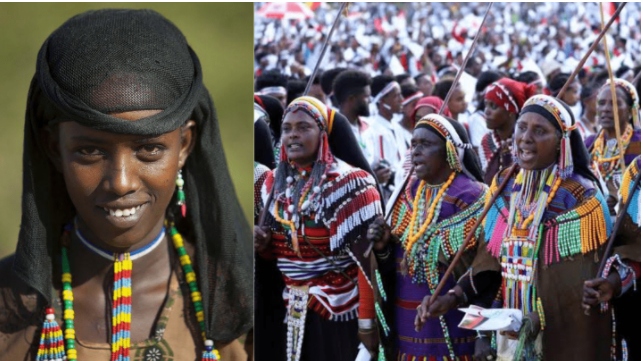
oromo


begy_Black_or_Dark_Egyptian_Copt_family_c1890.jpg

begy_indigenous_egyptian_children_temple_wall_1890.jpg
Wicherts and Johnson, 2009. Group differences in the heritability of items and test scores
http://rspb.royalsocietypublishing.org/content/early/2009/04/24/rspb.2009.0238.full
http://nilevalleypeoples.blogspot.com/2013/06/coming-apart-can-murrays-down-with.html
"SELECTION FOR"- "SELECT FOR" HDB CLAIMS DEBUNKED- "SELECTION" IS NOT THE ONLY KEY FORCE DRIVING CHANGE
http://nilevalleypeoples.blogspot.com/2012/12/demic-diffusion-notes-and-tropical.html
http://nilevalleypeoples.blogspot.com/2012/05/7-reasons-libertarians-may-be-wrong.html
http://nilevalleypeoples.blogspot.com/2012/08/cro-magnons-are-us-debunking-claims.html
http://nilevalleypeoples.blogspot.com/2014/03/exploding-nonsense-review-of-cochran_8.html
--Joseph Graves, 2006. What We Know and What We Don’t Know: Human Genetic Variation and the Social Construction of Race
http://raceandgenomics.ssrc.org/Graves/
J. Kahn (2013) How a Drug Becomes "Ethnic" - Yale Journal of Health Policy, Law and Ethics, v4:1
http://digitalcommons.law.yale.edu/cgi/viewcontent.cgi?article=1072&context=yjhple
------------------------------------ -----------------
http://evolution.binghamton.edu/evos/wp-content/uploads/2012/04/PageProofs-Graves_race.pdf

"troubled youth..."
Misc data:
Data from New York and Minnesota show that blacks stopped had LESS weapons or contraband on them than whites, yet blacks were disproportionately stopped, searched and experienced more use of police force against them.

Data from the city of Minneapolis itself. The blacks were stopped almost 3 times the rate of whites, and were in higher crime hoods, yet whites stops yielded MORE contraband than blacks or Latinos..

Data on extremist murders of US police officers


Data from the city of Minneapolis itself. The blacks were stopped almost 3 times the rate of whites, and were in higher crime hoods, yet whites stops yielded MORE contraband than blacks or Latinos..

Data on extremist murders of US police officers

Most murders of law enforcement by domestic extremists are by white right-wing groups

Haplogroup E distribution in Europe
Kalevi_wiik2_Greek_southern_european_DNA_Map13.jpg

lizardis2016 Natufians